
Solar
Electrifying Your Home: Where to Start When Everything Runs on Gas
Gas heating, gas hot water, gas cooktop — going all-electric sounds daunting, but there is a sensible order that spreads the cost and banks savings early.
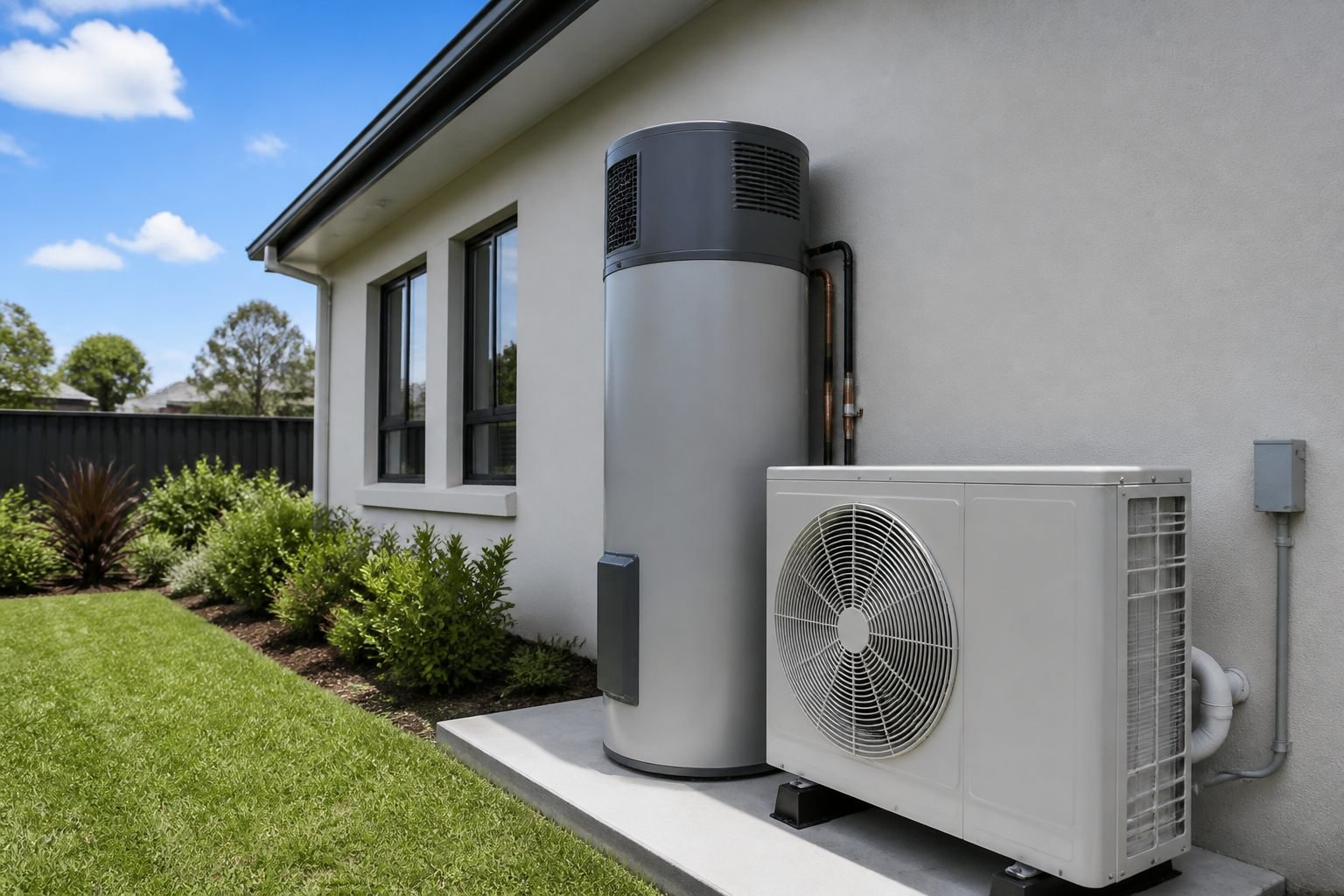
Plenty of Australian homes still run three gas appliances: ducted or space heating, a hot water unit, and a cooktop. The case for replacing them with efficient electric alternatives keeps strengthening — electric heat pumps are dramatically cheaper to run, rooftop solar can power them, and the daily gas supply charge disappears entirely once the last appliance goes. But nobody swaps everything in one weekend. The trick is sequencing, and the sequence is not what most people guess.
Rule one: plan the whole journey, act on failures
The most expensive way to electrify is in a panic, replacing a dead gas heater with another gas heater because winter is coming and it was the fastest quote. Decide now what each appliance will be replaced with when its time comes, so every failure becomes a planned upgrade instead of a like-for-like repeat. Write it down. That single piece of paper saves more money than any gadget.
Start with hot water
If you are choosing where to spend first, hot water is usually the winner. Gas storage and instant units are steady, year-round gas consumers, and the replacement — a heat pump hot water system — uses roughly a quarter of the energy of a resistive tank while attracting some of the most generous rebates available. Set its timer to run in the middle of the day and your solar does the heating. The payback is quick, the disruption is a single day, and the saving repeats every shower.
Heating and cooling: one system, both jobs
Reverse-cycle air conditioning is the most efficient heating technology you can buy in Australia, typically delivering three or more units of heat per unit of electricity. If your gas ducted heating is ageing, replacing it with reverse-cycle splits or ducted heat pump systems upgrades your summer cooling at the same time. Many households find they were already running air conditioners for cooling anyway — using them for winter heat simply retires the gas furnace.
The cooktop, and the last bill
The gas cooktop is emotionally the hardest and financially the smallest. Modern induction is faster than flame, easier to clean, and safer for indoor air quality. It often waits until a kitchen renovation, and that is fine — but remember that while any gas appliance remains, you pay the daily supply charge just for the pipe. Abolishing that final connection is worth real money every year, which is why the cooktop, small as it is, unlocks the last saving.
Check your switchboard early
One practical note: get an electrician to confirm your switchboard and supply capacity have room for the new loads before you order anything. Most homes are fine, some need an upgrade, and knowing early keeps every later step smooth. Electrification is a journey of three or four decisions — made in the right order, each one pays for the next.