
Solar
How Solar Panels Are Installed: A Day-by-Day Walkthrough
From the site check to switch-on, here is exactly what happens when solar goes on your roof — and what you need to do at each step (spoiler: not much).
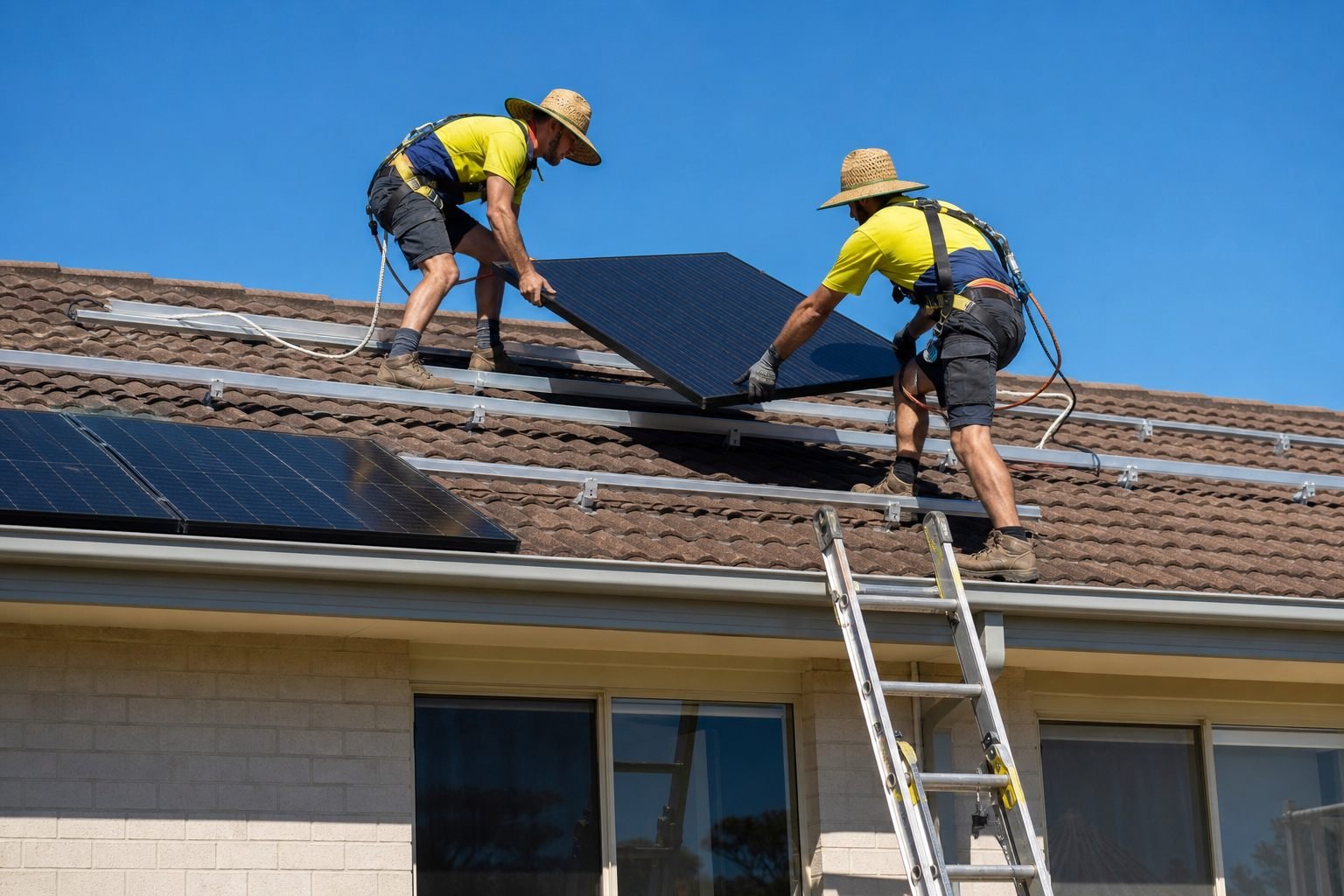
Most homeowners are surprised by how uneventful a solar installation actually is. The panels themselves usually go up in a single day, but the full journey runs over a few weeks. Knowing the sequence takes the mystery out of it, so here is the whole process from the moment you accept a quote to the moment your meter starts spinning the right way.
Before install day: design and approvals
Once you sign, the work starts behind the scenes. Your installer confirms the final panel layout against satellite imagery and, in many cases, a physical site inspection — checking the roof material, the switchboard, and the cable runs. At the same time, an application goes to your electricity distributor for permission to connect. This approval can take anywhere from a couple of days to a few weeks depending on your network area, and nothing physical happens until it comes back. It is the least visible step and the most common cause of waiting, so if things seem quiet, this is usually why.
The morning of the install
The crew typically arrives between 7 and 8am. Expect two to four people: an accredited electrician plus installers. The first hour is setup — safety rails or harness anchors on the roof, tarps below, and a walkthrough of where the inverter will be mounted. You will need to be home to give access to the switchboard and roof space, but after that you can largely go about your day. Power to the house is switched off only briefly, usually late in the day when the system is wired in.
Racking, panels, and wiring
Rails go on first, anchored to the rafters through the roofing with sealed, flashed fixings — this is where installation quality really shows, because a sloppy penetration is a future leak. Panels then clamp onto the rails, and the crew runs cabling through the roof cavity down to the inverter, which is mounted on a shaded wall or in the garage. A new circuit and isolators are added to your switchboard, clearly labelled.
Testing, sign-off, and switch-on
Before leaving, the electrician tests voltages, checks polarity on every string, commissions the inverter, and connects the monitoring app to your Wi-Fi. You will receive a certificate of electrical safety and handover documents. In some states an independent inspection happens in the following days. Finally, your retailer reconfigures your meter — sometimes remotely, sometimes with a short visit — and from that point every sunny hour is earning its keep.
Total disruption to your household: one day of ladder noise and about twenty minutes without power. Not bad for a system that will quietly work for the next twenty-five years.