
Solar
Solar Inverters Explained: The Box That Does the Hard Work
Panels get the glory, but the inverter decides how much of their energy your home actually gets to use. Here is what it does and how to choose well.
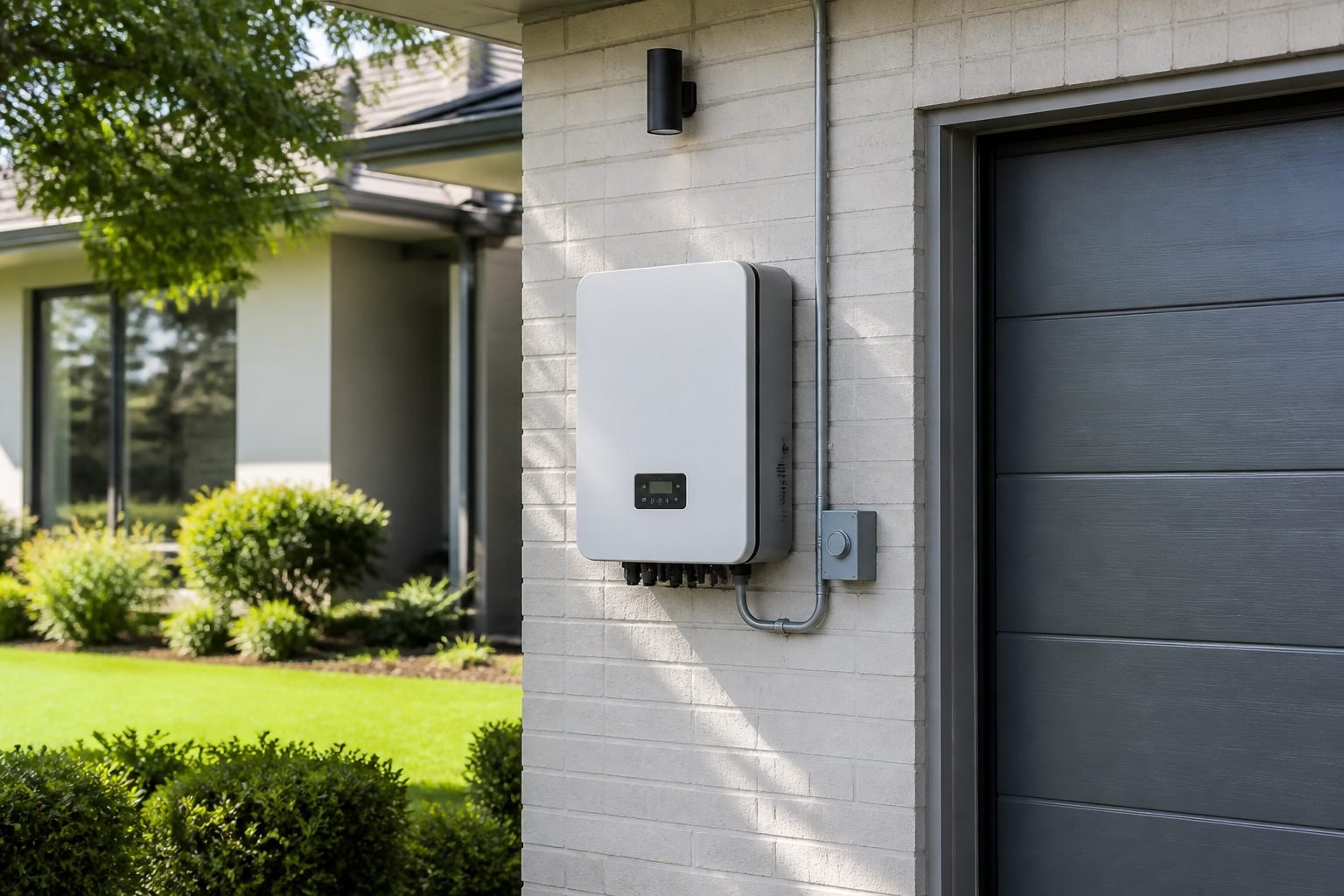
Ask most people what a solar system is and they will describe the panels. Yet the component working hardest — and the one most likely to need attention during the system's life — is the modest box on the wall: the inverter. Understanding what it does makes every other solar decision easier.
What an inverter actually does
Panels produce direct current, the same kind of electricity a battery holds. Your home, and the grid it connects to, runs on alternating current. The inverter's core job is that conversion, performed continuously from first light to dusk. But modern inverters do far more: they constantly hunt for the panels' maximum power point as clouds and temperatures shift, they monitor the grid and disconnect instantly if it fails (a safety feature called anti-islanding), and they log every watt for the monitoring app on your phone.
String inverters: the sensible default
The most common setup wires panels into groups called strings, all feeding one central inverter. It is proven, efficient, and cost-effective, and for an unshaded roof with panels facing one or two directions it is usually the right answer. The known trade-off: panels on a string perform together, so heavy shade on one panel can drag down its companions. Good design — splitting east and west panels onto separate inputs, keeping shaded areas off the layout — manages this well in most homes.
Microinverters and optimisers
Microinverters put a small converter under every panel, so each one performs independently and reports its own data. Optimisers achieve something similar while keeping a central inverter. Both cost more, and both earn that premium on complicated roofs: multiple angles, chimneys, dormer windows, or a tree that shades a corner of the array each afternoon. On a clean, open roof the extra spend rarely pays back — this is a case where the honest recommendation depends entirely on your home.
Sizing and the oversizing trick
You will often see systems with more panel capacity than inverter capacity — say 6.6 kilowatts of panels on a 5 kilowatt inverter. That is deliberate and allowed under the rebate rules. Panels rarely produce their laboratory rating in real conditions, so the oversized array keeps the inverter working near its sweet spot for more hours of the day, harvesting more total energy even if a little is clipped at noon in summer.
What to look for when choosing
Prioritise a manufacturer with an Australian support office, a warranty of ten years or more, and a wall location out of direct sun — heat is the enemy of electronics. Ask whether the model is battery-ready if storage is on your horizon. The inverter is the heart of the system; it deserves at least as much of your attention as the panels above it.